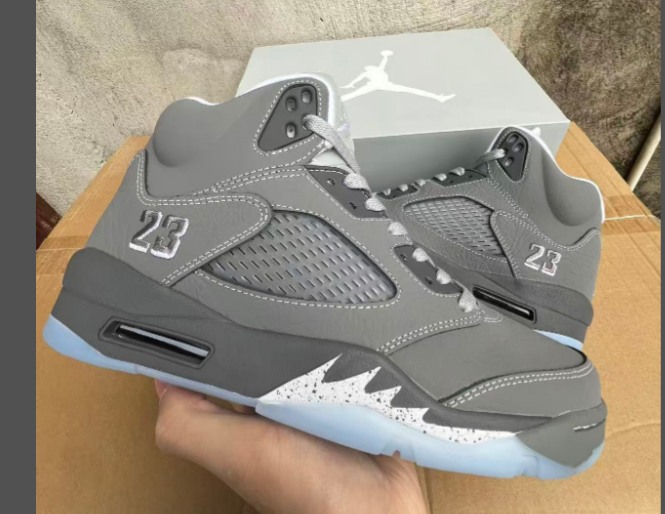
For most sneaker enthusiasts, the very first detail they examine on an Air Jordan 1 is the leather quality—it often determines both perceived value and long-term wear. When sourcing inventory, timing also matters. Prices tend to ease shortly after major holidays, such as January or August, or near the end of a fiscal quarter when retailers are eager to clear warehouse space.
Getting started with Jordan liquidation pallets can feel overwhelming, but having a structured process significantly increases efficiency and success. Manifested pallets are especially appealing because each pair is listed individually, showing SKUs, sizes, and condition upfront. For higher-value purchases, using a third-party inspection service before shipment leaves the warehouse can help verify quantities and grading. It’s also essential to confirm the seller’s business registration and seek independent reviews or testimonials beyond their own website.
Shoe condition is the single most important factor influencing resale value—often more critical than original retail pricing. This is why reputable B2B marketplaces and established local liquidators are typically the safest options. Buyers should also consider logistics carefully; choosing a supplier close to your location can dramatically reduce shipping costs and speed up turnaround. In many cases, local pickup can save hundreds of dollars per pallet.
A well-selected pallet may include several high-demand models, such as popular Air Jordan 1 or Air Jordan 4 colorways. Selling just a few “hit” pairs quickly can sometimes recover the entire cost of the pallet, reducing overall risk. This makes liquidation attractive for resellers looking to buy wholesale Jordans while managing cash flow strategically. Smart buyers rely on due diligence, staggered purchasing, and profit mapping rather than speculation.
Jordan Brand’s disciplined production strategy—avoiding both over- and undersupply—helps preserve resale value across the market. Profitability depends not only on margins, but also on sales velocity and inventory condition. Slow-moving stock can strain cash flow, which is why aligning pallet purchases with your current financial capacity is crucial.
The cultural impact of Jordans continues to fuel demand. From professional athletes to global celebrities like Jay-Z, J. Cole, and Travis Scott, Air Jordans remain a fashion staple. Classic colorways, especially red-and-black designs, pair effortlessly with everyday outfits, keeping them relevant across generations.
Running a sneaker business, however, requires full commitment. Successful store owners often reinvest every dollar back into inventory, work weekends, and treat their shops as destination retailers—places customers seek out specifically for authentic sneakers. With so many wholesale options available, learning how to identify genuine Jordans is essential. Only a small number of suppliers consistently offer authentic, high-quality wholesale Nike and Jordan footwear.
With wholesale Air Jordan shoes, you’re entering a market that continues to grow. Iconic models like the Air Jordan 1 and Air Jordan 11 remain timeless, built with durable materials that allow many pairs to stay wearable decades after release. For buyers who manage risk carefully, focus on authenticity, and prioritize condition, Jordan liquidation pallets can be a powerful way to scale a sneaker resale business.
Leave a Reply