The Sneaker Industry: Culture, Economics, and the Power of Influence
At first glance, some economic theories about consumer behavior may seem overly abstract—often developed far from factory floors or retail checkout lines. Yet the global sneaker industry offers a real-world example of how culture, technology, and branding intersect to shape demand and pricing.
Over the past two decades, collaborations between celebrities and footwear brands have become a defining force in the market. Artists such as Cardi B, Kendrick Lamar, and Selena Gomez, along with elite athletes, have partnered with major shoemakers to launch exclusive sneaker lines. These partnerships allow brands to command premium prices by attaching cultural relevance and aspirational value to their products. Social media further amplifies this effect, as celebrity endorsements and influencer posts directly influence resale prices and consumer perception.
Sneakers as Cultural and Economic Assets
Sneakers have been embedded in popular culture since the early 1920s, when Converse introduced the Chuck Taylor basketball shoe. Today, demand is driven by a combination of advanced footwear technology, youth-oriented design, and strategic marketing by industry leaders such as Nike (NKE) and Adidas AG (ADDYY). For many young consumers, sneakers are no longer just athletic gear—they are fashion statements and cultural identifiers.
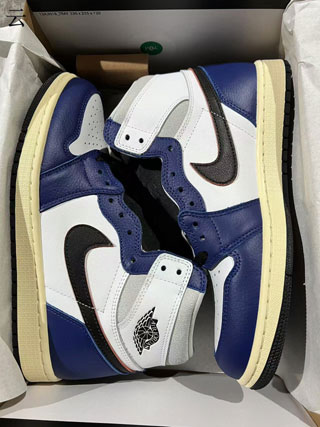
Few products illustrate this better than Nike’s Air Jordan line. First released in 1985, Air Jordans gained prominence through Michael Jordan’s performance on the court, innovative sneaker design, and Nike’s highly effective branding strategy. Over time, the Air Jordan brand transcended sports, becoming a global fashion icon and playing a key role in making Michael Jordan one of the wealthiest athletes in history.
Manufacturing Costs, Automation, and Global Supply Chains
Behind the scenes, sneaker companies continuously adjust their production strategies to remain competitive. Rising labor costs in China have pushed many manufacturers to relocate portions of their operations to countries such as Vietnam, Indonesia, and Thailand. At the same time, automation has become increasingly common, with robots replacing certain manual tasks to reduce long-term labor expenses and improve consistency.
Industry cost analyses show that manufacturing accounts for only a fraction of a sneaker’s retail price. For example, a shoe that sells for $100 may cost Nike under $30 to produce, including labor, materials, shipping, and duties. The remaining value reflects marketing, distribution, research and development, and—critically—brand equity.
Celebrity Endorsements and Price Premiums
A significant portion of sneaker pricing is tied to endorsement deals. Brands invest heavily in partnerships with athletes and entertainers because consumers are often willing to pay more for products associated with figures they admire. Nike’s Jordan Brand, for instance, now includes endorsements from professional athletes such as Russell Westbrook and Satou Sabally, extending its influence beyond basketball.
The impact of celebrity partnerships can be dramatic. Adidas’ collaboration with Kanye West on Yeezy sneakers generated enormous demand and revenue before the partnership ended in October 2022. The termination reportedly resulted in a negative financial impact of up to €250 million on Adidas’ net income that year, highlighting both the power and the risk of celebrity-driven branding.
Resale Markets, Scarcity, and Consumer Behavior
Limited-edition releases and controlled supply play a crucial role in the sneaker economy. By producing quantities just below anticipated demand, brands and retailers create scarcity that fuels resale markets. Resellers often line up outside physical stores or use online raffles to secure popular releases, later selling them at a profit on secondary marketplaces such as Klekt—provided the shoes, packaging, and accessories remain in excellent condition.
Social media accelerates this cycle, as collectors and resellers showcase new releases, generating hype and reinforcing perceived value. However, high demand also attracts counterfeit products, making authentication an essential concern for buyers. Experienced collectors rely on detailed indicators—such as toe box shape, stitching quality, and material consistency—to distinguish genuine products from fakes.
Evolving Consumer Preferences
Consumer attitudes toward sneakers have evolved significantly. Whereas previous generations may have owned only a few pairs, today’s buyers often view sneakers as both fashion investments and cultural symbols. In response, brands have expanded collaborations beyond sports into music, art, and entertainment, aligning products with broader lifestyle trends.
While performance innovation dominated partnerships in the 1980s and 1990s, modern sneaker marketing emphasizes storytelling, identity, and exclusivity. This shift reflects how deeply sneakers are woven into contemporary culture—and why their prices, popularity, and influence continue to grow.
Leave a Reply