How to Identify Fake Sneakers: A Buyer’s Guide to Authenticity and Risk Awareness
With the growth of online sneaker marketplaces, counterfeit footwear has become increasingly sophisticated. Many fake sneakers attempt to closely imitate authentic products in design, color, and overall appearance. For buyers, understanding how to evaluate authenticity is essential—not only to avoid financial loss, but also to ensure product quality and consumer protection.
Comparing Official Product Details
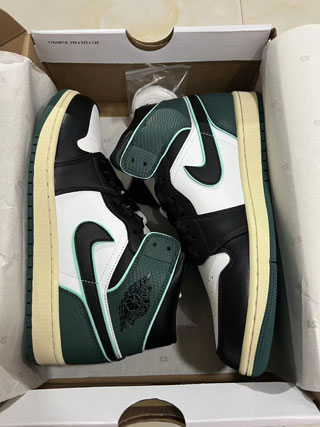
One of the most reliable ways to identify counterfeit sneakers is by carefully comparing images from the official brand or authorized retailer with those provided by third-party sellers. Key details to examine include:
- Logo placement and color accuracy (such as the Air Jordan “Jumpman” logo)
- Stitching consistency and symmetry
- Midsole shape, outsole patterns, and heel proportions
Authentic listings typically include multiple high-resolution photos showing the shoe from various angles. If images are limited, blurry, or intentionally cropped, this is a common red flag.
Seller Transparency and Listing Quality
Legitimate sellers—whether in primary or secondary markets—tend to provide detailed product descriptions, clear photos, and responsive communication. Before purchasing, buyers should feel comfortable requesting additional images or clarification. Hesitation, vague responses, or pressure to complete a sale quickly often indicate higher risk.
Excessive discounts that appear too good to be true should also be approached with caution. Deep price cuts are frequently used to attract inexperienced buyers into counterfeit transactions.
Marketplaces and Buyer Responsibility
Online platforms host a wide range of sellers, and while many enforce review systems and dispute processes, responsibility ultimately lies with the buyer. Reviews should be read critically, focusing on detailed feedback rather than short, generic praise. Sudden spikes in five-star reviews or repeated phrasing across multiple listings may indicate manipulation.
For collectors or everyday wearers alike, authenticity matters. Counterfeit sneakers often differ significantly in materials, comfort, durability, and long-term foot support—issues that may not be obvious at first glance but become clear with regular use.
Common Signs of Counterfeit Sneakers
Some counterfeit products are easy to identify, while others require closer inspection. Experienced buyers often check:
- Toe box shape and curvature
- Material texture and weight
- Box labels, SKU numbers, and manufacturing codes
Even small inconsistencies can reveal whether a product deviates from brand standards.
Choosing Safety Over Short-Term Savings
For buyers who value reliability, comfort, and ethical purchasing, buying from authorized retailers or well-documented resale platforms with authentication services is the safest option. While prices may be higher, consumers benefit from verified authenticity, return protection, and accountability.
Sneaker culture is built on craftsmanship, performance, and history. Preserving that culture starts with informed buying decisions and an understanding of the risks associated with counterfeit goods.
Leave a Reply