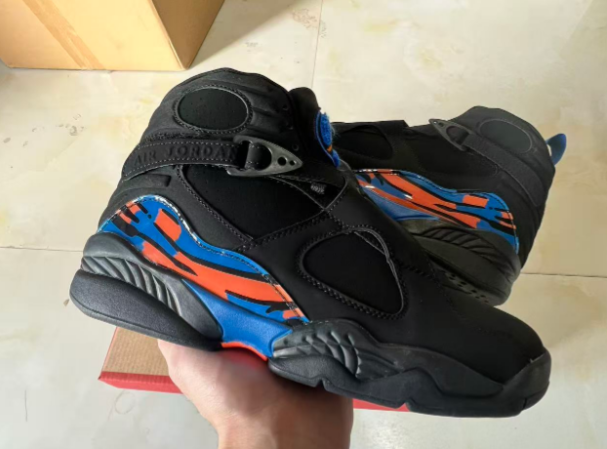
In today’s global sneaker market, more buyers than ever are purchasing Jordans, Dunks, Air Maxes, and other hyped releases from overseas sellers. But with the rise of international marketplaces and cross-border eCommerce, shoppers naturally ask the same question: How do I verify a pair’s authenticity when buying from sellers outside my country?
The good news is that you can buy authentic sneakers from overseas — including China — but you need to know what to look for, what mistakes to avoid, and how to legit-check pairs using reliable, repeatable methods. This guide breaks down the entire process, combining industry data, supply-chain insights, and practical authenticity tests anyone can perform at home.
Why “Made in China” Doesn’t Mean Fake — Understanding Modern Manufacturing
One of the biggest misconceptions in the sneaker world is that authentic sneakers come from Western countries and fakes come from China. The truth is the complete opposite.
Global Sneaker Manufacturing Reality
More than 70% of all authentic sneakers worldwide are manufactured in China, including models from:
- Nike
- Air Jordan
- Adidas
- New Balance
- Puma
- Converse
The remaining percentage comes mainly from Vietnam, Indonesia, and Cambodia.
This means that China is not where fakes come from — it’s where authentic sneakers come from.
Why Surplus Pairs Exist
Sneaker factories often produce more pairs than the exact retail requirement. This happens because:
- Brands use safety margins to compensate for defects
- Orders change at the last minute
- Quality-control rejects may still be wearable
- Bulk production reduces per-unit cost
The result is a market segment called factory surplus, which includes authentic pairs that never enter retail stores.
Counter-intuitive insight
Because so much of the global footwear supply originates in China, buying sneakers directly from overseas sellers can actually reduce the number of middlemen, lowering the final price without compromising authenticity.
10 Key Authenticity Checks Buyers Can Do at Home
Once your pair arrives, these tests help identify whether your sneakers meet authentic factory standards.
1. Box Label Consistency
Authentic box labels always include:
- Correct SKU
- Size run
- Colorway
- Factory code
Look for spelling errors, wrong fonts, or incorrect label spacing.
2. Stitching Patterns
Authentic sneakers use precise stitching machines:
- Even spacing
- No loose threads
- Symmetrical alignment
Bad stitching is one of the easiest signs of a replica.
3. SKU Number Verification
The SKU printed on:
- The box
- The tongue label
- Online retailer listings
…should all match perfectly.
If any SKU differs by even one character, that is a red flag.
4. Factory Code Matching
Every authentic sneaker pair comes from a specific factory, identified by a factory code such as:
- LN2
- VT
- FH
- QD
Search the code online to verify that the sneaker model was made in that specific facility.
5. Insole Construction Details
Remove the insole and check:
- Stitchwork underneath
- Glue pattern
- Foam density
Authentic insoles use stronger glues and higher-density foams.
6. Weight Test
Authentic pairs have consistent weight because they use standardized materials.
Fake pairs often weigh:
- 5–30% lighter (cheap foam)
- Or heavier (incorrect rubber blend)
A digital scale helps compare weight with verified references online.
7. Material Density Checks
Squeeze the midsole gently:
- Authentic pairs rebound slowly
- Replicas feel soft, spongy, or hollow
8. QR Code Scan
Most newer models include QR codes on tags.
If the QR code leads to the official brand website, it’s a good sign.
9. NFC Tag Check
Some premium releases include embedded NFC chips.
Replicas usually skip this step due to cost.
10. Symmetry Inspection
Place both shoes side by side:
- Toe shape
- Heel height
- Swoosh angles
Authentic pairs are extremely consistent.
How to Use Pricing Patterns to Detect Authenticity
Price is important, but it’s not the only indicator.
Why “Too Cheap = Fake” Is Not Always True
Most buyers think low price means fake — but the reality is more nuanced.
Here’s why authentic pairs can be cheaper overseas:
- Factory surplus has no retail markup
- Overseas sellers skip Western distribution fees
- Currency exchange differences
- Bulk shipping to overseas warehouses reduces cost
An authentic pair costing $180 retail in the U.S. might cost:
- $80–$110 from a surplus batch
- $60–$90 in overstock liquidation
- $95–$120 from B-grade factory inventory
So a low price alone is NOT proof of a replica.
How Reputable Sellers Provide Authentication Proof
A trustworthy overseas seller will always share verification materials without hesitation.
1. Unboxing Videos
Shows the pair in natural light from multiple angles.
2. HD Close-Ups
Authenticity helpers:
- Stitching
- Toe box shape
- Heel tab structure
- Box label at 4K clarity
3. Third-Party Legit Check Screenshots
Many reliable sellers use apps like:
- Legit Check App
- CheckCheck
- KicksID
Screenshots save buyers early worries.
4. Full Factory Code + SKU Listings
Good sellers list:
- Model
- Batch number
- Factory code
- Production month
Anything less is a red flag.
Why Buying From Verified Overseas Sellers Can Save 40–70%
Many buyers wrongly believe cheap equals fake, but global pricing tells a different story.
Supply Chain Arbitrage
The biggest cost in sneaker retail is middlemen:
Manufacturer → Distributor → Retailer → Tax → Store overhead
Overseas sellers often operate at:
- Lower tax
- Lower storage cost
- No retail store rent
- Direct access to factory surplus
Savings get passed directly to the buyer.
Warehouse Location Advantage
Sellers operating near Chinese factory hubs gain:
- Immediate access to overstock
- Low inbound freight
- Direct supplier relationships
These savings routinely reduce retail prices by 40–70%.
Final Checklist to Identify a Trusted Seller
Before buying, confirm:
1. Seller communication style
- Replies fast
- Provides proof without excuses
- Shares batch/factory details
2. Return Policy
Legitimate sellers often provide:
- Replacement guarantee
- Exchange window
- Refund on authenticity disputes
Scammers never offer returns.
3. Customer Reviews with Real Photos
Look for:
- Photos taken at home
- Real videos
- Close-ups of stitching and box label
Stock photos = avoid.
Conclusion
Buying sneakers from overseas sellers — including China — is entirely safe when you know what to look for. With proper authenticity checks, price analysis, and seller verification, buyers can save significant money while still receiving authentic products.
As long as you follow the steps outlined in this guide, you can confidently purchase real Jordans, Dunks, or any other sneaker model from global sellers without worrying about fakes.
Leave a Reply